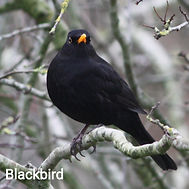
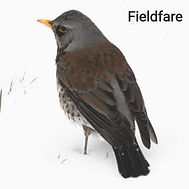
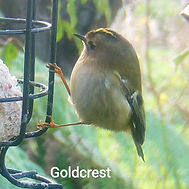
Supporting Your Local Garden Birds
Garden birds need 1) water, 2) shelter and 3) food. Here we provide our top tips on supporting garden birds and below are details of the birds you are likely to see in north Bristol gardens.
Providing a dish of water (or birdbath or pond) will make a big difference to the birds in your garden, so they can both drink and bathe. Make sure you clean the dish / birdbath regularly to reduce the risk of spreading bird flu. Creating a pond, particularly one with a shallow area and/or rocks that animals can perch on, is even better as it will attract even more insects to your garden for the birds to feed on.


Shelter is vital for resting and to provide cover from predators (cats and our local sparrowhawk) and for nesting. Trees, hedges, and shrubs are all important and the more variety the better. The tits, robins, and finches in our garden spend a lot of time in our mature hawthorn tree, between feeding, whereas the dunnocks and wrens benefit most from shelter provided by low-level shrubs and ground-cover plants.
Garden birds typically eat invertebrates (insects and their larvae, worms, slugs/snails and spiders), seeds, fruit, and nuts (see the table below). Stop any pesticide use in your garden to ensure there is sufficient food for garden birds. Invertebrates are particularly important during the breeding season as they are often the only source of water that chicks will receive. Leaving fallen leaves and other debris on the ground provides a habitat for many of these invertebrates. Rotting logs, a pile of stones and an open compost heap are also great for invertebrates and therefore good for birds too.


For seed-eating birds, we have plant varieties that provide food for garden birds. Providing seeds, peanuts and fat balls in bird feeders is helpful in winter only when food is in short supply and the breeding season is over. Clean feeders regularly to reduce the risk of spreading bird flu.
The British Trust for Ornithology provides advice based on the latest evidence and recommend that feeding seed and/or peanuts should be paused from May to October.
The main nesting season in the UK is between March and September so don't trim your hedges between March and September. It is illegal to disturb active nests at any time of year so spend a little time watching for birds flying back and forth into a hedge or tree before pruning it. If you want to go a step further and install nest boxes then the RSPB provides an ultimate guide to nest boxes for all sorts of different birds.
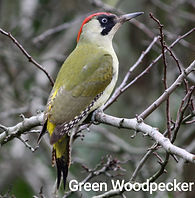


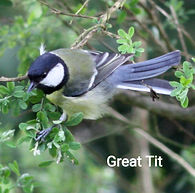
The table below lists the birds you are likely to see in north Bristol gardens together with details of the food that they eat, when to see them, and their preferred habitats.